

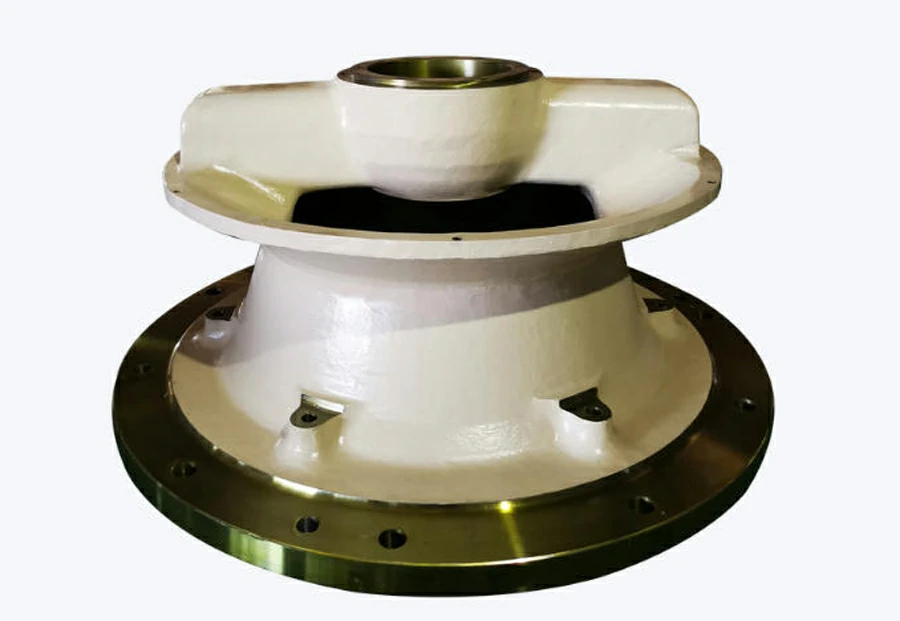
A large crushing site does not suffer because one liner wears out. It suffers because the liner wears out before the maintenance window, the replacement part arrives late, the chamber profile is wrong, and the production team has no reliable data to explain why output dropped from 850 tons per hour to 620 tons per hour. That is where industrial crusher parts sourcing becomes a production strategy rather than a simple purchasing task.
Large scale operations usually run primary, secondary, and tertiary crushing stages with several machines working together. A jaw crusher may handle 600 mm feed at the primary stage. A cone crusher may run with a closed side setting between 16 mm and 38 mm depending on chamber type. An impact crusher may process recycled concrete or limestone with high rotor speed and repeated impact load. Screens, feeders, conveyors, magnets, and dust control systems all depend on stable crusher performance. If one critical part fails, the entire flow sheet can lose balance.
For mines, quarries, cement plants, aggregate producers, slag recycling plants, and mineral processing sites, the goal is not only to buy spare parts. The goal is to secure the right parts, with traceable quality, predictable lead time, correct fit, and technical support that helps reduce cost per ton. Industrial crusher parts must be selected by working condition, machine model, feed material, wear pattern, and production target. A low unit price can quickly become expensive when the part causes unplanned downtime, poor product shape, or damage to expensive assemblies.
Large operations need sourcing control rather than emergency buying
Emergency buying is one of the most costly habits in heavy crushing operations. When a crusher is down, the purchasing team often accepts whatever is available fastest. The price is higher, freight cost increases, inspection becomes rushed, and technical review is usually skipped. A rushed order for a mantle, concave, jaw plate, blow bar, bushing, eccentric part, or seal kit may solve the immediate problem but create another failure in the next production cycle.
A better sourcing solution starts with classifying parts by risk. Wear parts such as jaw plates, mantles, concaves, bowl liners, blow bars, impact plates, cheek plates, and liners directly affect throughput and product size. Precision spare parts such as bronze bushings, main shafts, countershafts, pinions, gears, hydraulic cylinders, bearings, and seals protect the mechanical health of the crusher. Standard consumables may be easier to source, but critical mechanical parts need stronger supplier qualification and stricter documentation.

For high volume sites producing 300000 to 1500000 tons per month, the difference between planned replacement and emergency shutdown is significant. A six hour shutdown on a 700 ton per hour line can remove thousands of tons from the daily target. The cost is not limited to the part. It includes lost production, labor, crane rental, delayed truck loading, power waste, contract penalties, and management pressure.
Build the parts list from the machine and the duty cycle
Good sourcing begins with a complete equipment map. Each crusher should be listed by brand, model, serial reference, chamber type, installed power, typical feed size, operating hours per day, crushing stage, and current maintenance interval. For cone crushers, record mantle profile, concave profile, eccentric throw, closed side setting, lubrication temperature, motor current range, and liner change history. For jaw crushers, record tooth profile, jaw die weight, feed opening, nip behavior, toggle condition, and the side where wear becomes severe first.
The duty cycle matters as much as the machine model. A crusher processing soft limestone at 80 MPa does not consume parts like a crusher processing abrasive granite above 180 MPa. Material with high silica content can shorten wear life sharply. Clay and moisture can cause packing, poor chamber flow, and uneven wear. Oversized feed can create high shock load. Fine feed without enough coarse material can reduce manganese work hardening and accelerate liner loss.
Industrial crusher parts sourcing should therefore connect each part number to real site conditions. A supplier that quotes without asking about feed size, abrasiveness, moisture, target output, and current wear life may only be selling inventory. A technical supplier should help match material grade, profile, and inspection requirements to the job.
Use engineering parameters to control part selection
Material selection should be based on impact level, abrasion level, and machine load. Manganese steel is common for jaw plates, mantles, concaves, and heavy wear liners. Common grades include Mn13Cr2, Mn18Cr2, and Mn22Cr2. Mn13Cr2 can suit moderate impact and lower abrasion. Mn18Cr2 is widely used for mixed applications. Mn22Cr2 can be useful in severe impact and abrasive rock when the chamber is properly loaded.
A normal manganese liner may arrive with surface hardness around HB 200 to HB 240 and harden in service to around HB 450 to HB 550. If the feed does not create enough impact, the liner may not work harden correctly. If the heat treatment is poor, the liner can crack before reaching its expected wear life. For this reason, sourcing teams should not judge manganese parts only by price or weight. Chemical analysis, heat treatment control, and field performance records are more important.
For impact crushers, blow bars may use martensitic steel, high chrome iron, ceramic insert material, or hybrid options. High chrome blow bars may reach HRC 58 to HRC 65 and perform well in abrasive limestone or asphalt recycling, but they can be sensitive to tramp iron. Martensitic blow bars are more impact tolerant but may wear faster in highly abrasive feed. Ceramic inserts can extend service life when the base material, insert layout, and casting process are controlled. The wrong selection can cause early fracture, rotor damage, and unsafe maintenance conditions.
Separate wear parts from precision spare parts
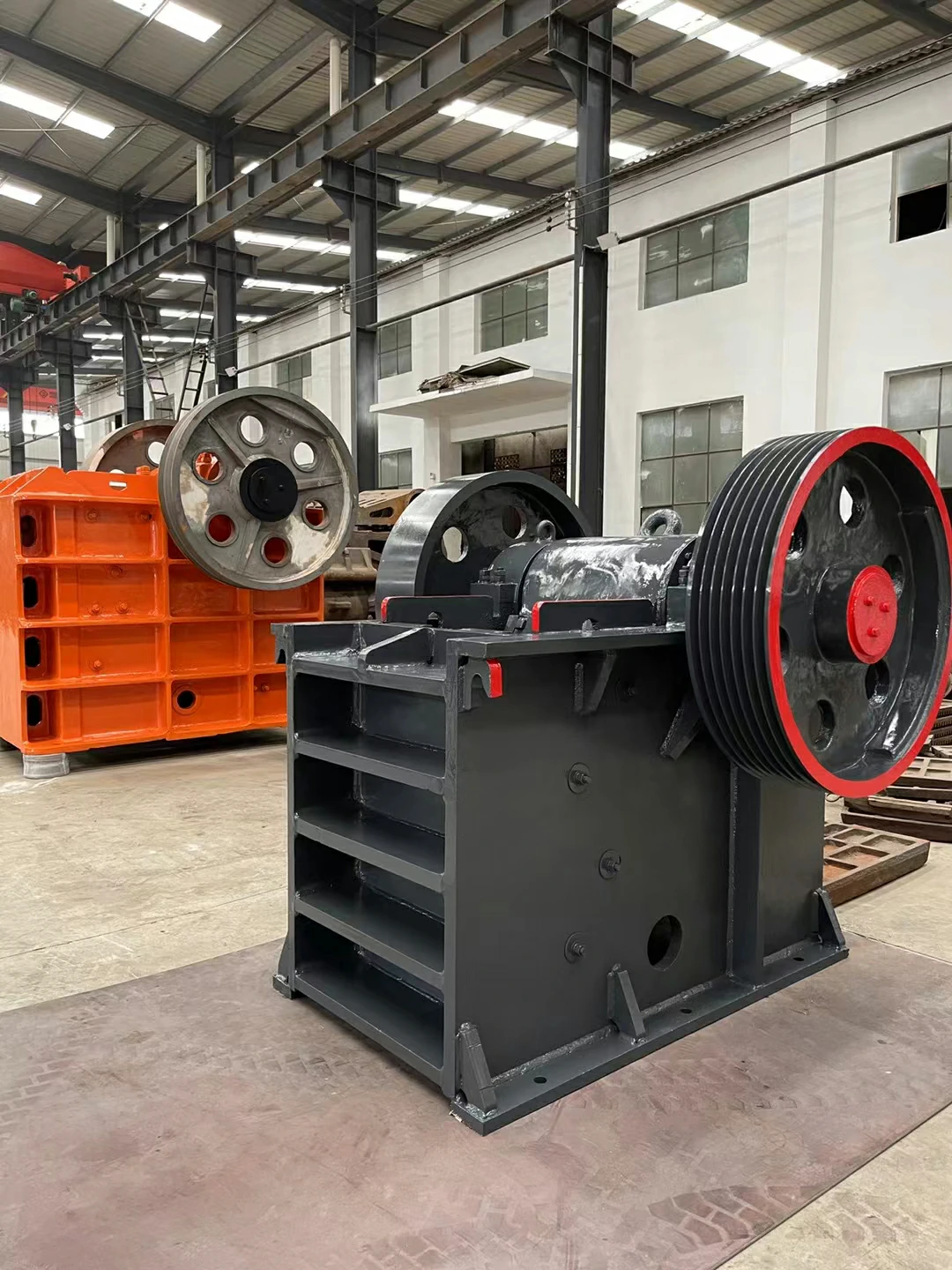
Wear parts and precision spare parts require different sourcing logic. A liner must resist abrasion and maintain the crushing profile. A precision spare part must maintain geometry, clearance, lubrication, and load transfer. A bronze bushing with poor inner diameter control can overheat. An eccentric bushing with incorrect oil groove depth can break the oil film. A gear set with poor tooth contact can generate metal particles and damage the drive system.
For precision industrial crusher parts, dimensions must be verified carefully. Critical machined features may require tolerance control between 0.02 mm and 0.10 mm depending on the design. Surface finish, roundness, concentricity, bore accuracy, keyway quality, and lubrication groove geometry should be checked before shipment. These parts may not wear like liners, but when they fail, the repair cost is often much higher.
Large operations should request inspection reports for critical dimensions. Photos are not enough. The supplier should provide material records, machining inspection, hardness checks where relevant, and packaging protection for machined surfaces. Precision parts should be packed against rust, impact, and moisture during long distance transport.
Qualify suppliers by process control
A capable supplier should be evaluated by more than catalog size. The sourcing team should check whether the supplier controls pattern making, casting, heat treatment, machining, inspection, packing, and after sales analysis. For cast parts, chemical composition reports should show heat number, part number, production date, and material grade. For manganese castings, heat treatment around 1050 to 1100 C followed by fast quenching is a key process. Poor heat treatment may leave weak internal structure even when the surface looks acceptable.
For large scale procurement, supplier audits should include foundry capacity, furnace size, heat treatment furnace capacity, machining equipment, testing equipment, storage control, and complaint response. Useful testing may include spectrometer analysis, hardness testing, ultrasonic testing, magnetic particle inspection, dimensional measurement, and sample comparison. Not every part needs every test, but critical parts should never be accepted with only a generic certificate.
One strong indicator of supplier quality is how they handle a problem. A weak supplier offers a discount and moves on. A serious supplier asks for operating hours, feed material, photos of wear pattern, closed side setting, current draw, installation records, and removed part weight. This kind of response helps identify whether the issue came from material, profile, installation, operation, or application mismatch.
Plan inventory according to lead time and failure risk
Large operations should not use the same inventory rule for every spare part. Fast moving wear items need minimum stock based on consumption rate and supplier lead time. Critical mechanical parts need strategic stock based on failure impact. Slow moving parts with long manufacturing lead time may need one emergency set even if annual consumption is low.
A practical inventory plan should consider average service life, worst case service life, transport time, customs time, inspection time, and production season. If a cone liner set usually lasts 45 days but can drop to 28 days in abrasive feed, stock planning must use the lower risk value, not the best case value. If imported crusher parts require 45 to 75 days from order to site, the reorder point must be set before the last set is installed.
Large plants should also avoid storing too many unverified parts. A warehouse full of wrong liners, outdated profiles, or untested bushings is not a strong spare parts strategy. Inventory must be connected to approved drawings, verified suppliers, and field performance. Each stored part should have a clear machine assignment, material grade, inspection status, and storage condition.
Use cost per ton as the main buying measure
Unit price is easy to compare, but cost per ton shows the real result. A liner that costs 12 percent less but processes 25 percent fewer tons is not cheaper. A jaw plate that wears unevenly and forces early replacement increases labor and downtime. A blow bar that breaks under impact may damage the rotor and create safety risk. A bushing that fails early can damage shafts, gears, seals, and lubrication systems.
Large operations should track tons processed per part set, operating hours, feed type, closed side setting, power draw, vibration trend, oil temperature, and reason for removal. For wear parts, record both starting weight and removed weight when possible. This helps calculate usable wear material and identify whether the profile was fully consumed or removed early due to cracking, poor fit, or production instability.
When performance data is collected consistently, procurement becomes more objective. The best supplier is not always the one with the lowest invoice. It is the one that delivers stable output, predictable service life, safe fit, technical support, and lower total operating cost.
Use customization carefully for difficult applications
Customized industrial crusher Parts can solve real problems when standard parts do not match the site. A modified jaw profile may improve bite on slabby feed. A revised cone liner profile may increase chamber utilization and reduce recirculating load. A different blow bar material may improve life in abrasive recycling work. A redesigned liner thickness may extend change interval without creating unsafe weight or installation problems.
Customization should be based on data, not guesswork. The supplier should review drawings, samples, 3D scans, wear photos, feed analysis, and operating records. Changes should be documented by drawing revision and tested through controlled trial. If the customized part improves tons processed, product shape, installation time, or safety, it can become the new standard for the site.
For large operations with multiple crushers, customization must also consider inventory simplification. Too many unique parts can make the warehouse difficult to manage. A good sourcing strategy balances performance improvement with stock control.
Create a supplier scorecard for long term control
A supplier scorecard gives purchasing, maintenance, and production teams one shared view of performance. Useful indicators include on time delivery, dimensional accuracy, documentation completeness, installation feedback, service life, complaint response, packaging condition, repeat batch stability, and technical support quality. Each supplier should be measured against the same standard.
The scorecard should include field feedback from mechanics and operators. Maintenance teams often notice problems before procurement does. They know which parts require grinding before installation, which liners sit poorly, which bushings arrive with burrs, which packages are damaged, and which suppliers respond quickly when a problem occurs. Their feedback should influence supplier approval.
For large scale operations, this system reduces personal judgment and price only buying. It also helps suppliers improve because they receive clear feedback. Strong suppliers usually welcome scorecards because consistent performance becomes visible.
Build a sourcing system that protects production
Industrial Crusher Parts sourcing is not a single order activity. It is a system that connects engineering data, supplier control, inventory planning, inspection, field feedback, and cost analysis. The sites that manage this system well usually experience fewer emergency shutdowns, more predictable liner changes, better product consistency, and lower cost per ton.
The strongest sourcing solution for large operations combines reliable manufacturing, technical communication, traceable quality, practical inventory planning, and data based supplier evaluation. It does not chase the lowest price blindly. It asks whether the part fits correctly, wears predictably, protects the machine, arrives on time, and supports the production target.
For mines, quarries, cement plants, and heavy processing sites, crusher parts are part of the production chain. When Industrial Crusher Parts are sourced with engineering discipline, the benefits appear across the whole operation. Crushers run longer between planned stops. Maintenance teams work with fewer surprises. Procurement teams reduce emergency orders. Production managers gain more stable output. That is the real value of professional sourcing for large scale crushing operations.


 English
 French
 German
 Spanish
 Russian
 Arabic
 Portuguese
 Turkish